
How to Store an RV Long-Term in Nevada: A Prep and Winterizing Guide
How to Store an RV Long-Term in Nevada: A Prep and Winterizing Guide
Safe Storage NV
November 2nd, 2026
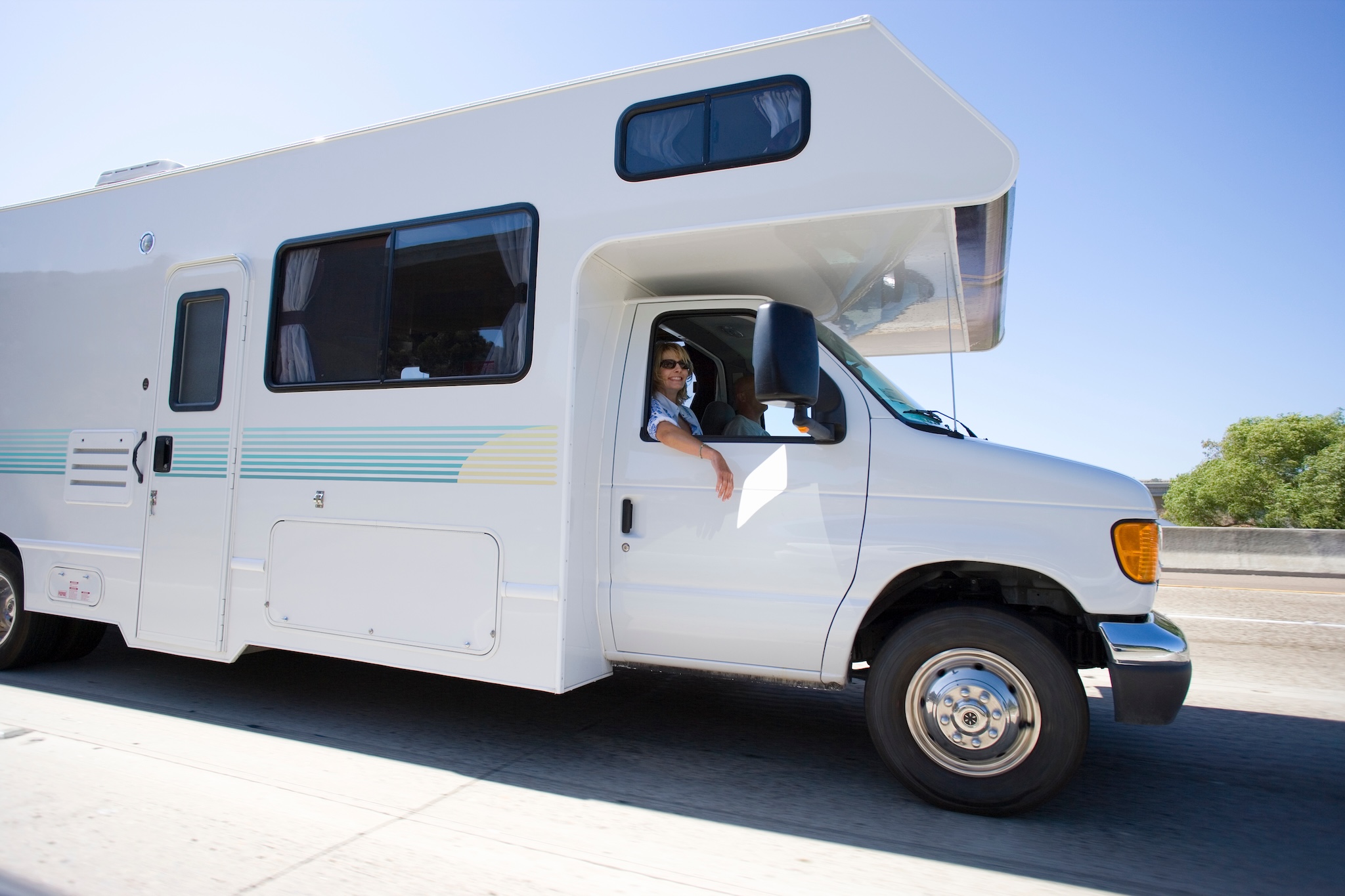
The last camping trip of the season is behind you, and now your RV has to sit for months while a northern Nevada winter does its worst. That quiet stretch is where a lot of owners get burned, because a rig that is simply parked and forgotten can come back in spring with a dead battery, cracked water lines, flat-spotted tires, and a nest of mice in the cabinets. None of that is inevitable, and heading it off does not take a mechanic or a lost weekend. With a short, repeatable routine and the right place to park, the RV you store in the fall is the same RV that rolls out ready to travel the moment the weather turns.At its core, long-term RV storage comes down to three jobs: getting the RV ready so it can sit safely, winterizing the water and power systems before the first freeze, and choosing a storage spot that keeps the vehicle secure and sheltered until you need it again. Handle those three things and everything else is light maintenance. This guide shows owners around Silver Springs, Carson City, and the wider Lyon County area exactly how to store an RV long term, with a prep checklist you can run through before you drop the rig off.
Why long-term RV storage needs a real plan in northern Nevada
The high desert is tough on anything that sits still for months. Intense sun and wide temperature swings bake and crack rubber seals, fade exterior finishes, and dry out roof membranes, while winter nights that drop well below freezing can split water lines and crack tanks if any water is left inside. Dust works its way into vents and slide seals, and the open country around Silver Springs and Dayton means mice and other pests are always looking for a warm place to nest. None of this is a reason to avoid storing your RV, but it is the reason a little preparation goes a long way.The damage that shows up after a long winter is almost always slow and invisible at first. Tires lose air and develop flat spots, fuel breaks down and gums up the system, a disconnected battery slowly drains, and small leaks turn into mold by spring. The good news is that each of these problems is easy to prevent with a short checklist and the right place to park. If you want a deeper look at the habits that keep stored belongings safe, this walk through what makes a facility secure covers the basics that apply to vehicles too.
How do you prepare an RV for long-term storage?
Preparing an RV for long-term storage is about removing the things that cause slow damage and sealing out the things that cause fast damage. That means a thorough clean, fresh or stabilized fluids, protected tires, a managed battery, and a rig sealed tight against pests and moisture. Work through the sections below in order, and set aside an afternoon so nothing gets skipped in a hurry.
Clean it inside and out
Start with a full wash and a coat of wax on the exterior, because road grime and dead bugs will etch the finish if they sit on it for months under strong sun. Inside, empty every scrap of food, wipe down surfaces, clean the refrigerator, and leave its door propped open so it does not grow mildew. Pull out anything that attracts pests or holds moisture, including linens you can store at home, and give the floors a final vacuum so crumbs do not invite visitors while you are away.
Protect the engine and fluids
Change the oil and filter before storage if the rig is close to its interval, since used oil holds acids and moisture that are better flushed out before a long rest. Fill the fuel tank most of the way and add a quality fuel stabilizer, then run the engine for several minutes so the treated fuel reaches the whole system and a nearly full tank leaves little room for condensation. Top off coolant and other fluids to their correct levels, and make a quick note of anything that looks low so you can keep an eye on it in the spring.
Care for tires and leveling
Tires carry the full weight of a parked RV for months, so inflate them to the pressure listed on the sidewall and consider tire covers to block the sun. Where you can, move the rig a few inches or park on boards rather than letting the same patch of tread rest on cold ground the entire time, which helps reduce flat spots. Sun and age matter as much as mileage here, because tires age and crack over time even when a vehicle barely moves, which is worth remembering before a long season off the road. Level the RV so weight sits evenly and so water cannot pool against seals or in low corners of the roof.
Disconnect and maintain the battery
Batteries lose charge while they sit, and a battery that drains completely in freezing weather can be ruined by spring. The simplest approach is to disconnect the battery or remove it, store it somewhere it will not freeze, and keep it topped up with a maintenance charger over the winter. If your RV has a built-in disconnect switch, use it along with the charger, and label any cables you unplug so reconnecting is quick when you are ready to travel again.
Seal it against pests and moisture
Mice need only a small gap to get inside, so inspect the underside and seal openings around wiring and plumbing with steel wool or purpose-made covers. Close roof vents or fit covered vent caps that still allow a little airflow, and place moisture absorbers inside the cabin to fight the damp that leads to mildew. Walk the roof and seams to check for cracked sealant, because a tiny gap that leaks all winter does far more damage than one obvious storm.Here is a quick prep checklist you can run through before you drop the rig off:
- Wash, wax, and fully clean the interior, removing all food and linens
- Change oil if due, fill the tank, and add fuel stabilizer, then run the engine briefly
- Inflate tires to spec, cover them, and park on boards where possible
- Disconnect the battery and keep it on a maintenance charger off-site
- Seal pest entry points and place moisture absorbers in the cabin
- Prop the refrigerator door open and close or cover roof vents
How do you winterize an RV before storage?
Winterizing an RV before storage means getting every drop of water out of the plumbing and replacing it with RV antifreeze, so nothing is left inside to freeze and crack a line or a tank. In a region where winter lows regularly fall below freezing, this step is not optional, and it is the single most important thing you can do to protect the rig over a long cold stretch. Plan to do it last, right before the RV goes into storage, so no fresh water sneaks back into the system.
Drain and flush the water system
Begin by draining the fresh water tank, the gray tank, and the black tank at a proper dump station, then flush the black tank until it runs clear. Open the low-point drain lines and the faucets to let the lines empty, and use the water pump briefly to push out anything that lingers. Taking the time to empty everything now keeps antifreeze from being diluted in the next step and leaves far less water behind to cause trouble.
Add RV antifreeze to the plumbing
Use only non-toxic RV antifreeze, never the automotive kind, since it moves through lines that carry drinking water. Install a water heater bypass so you do not waste gallons filling the tank, then use a hand pump kit or the water pump to draw antifreeze through each line until it runs pink from every hot and cold faucet, the toilet, and the outside shower. Pour a little down each drain and into the toilet so the P-traps and holding tanks are protected as well.
Protect the water heater and pump
Drain the water heater fully before adding antifreeze, and make sure it is cool and not under pressure when you open the drain plug. Keep the heater on bypass so you are not forcing antifreeze into a tank that does not need it, which saves both money and effort. Double-check that the water pump ran antifreeze all the way through, because a dry pump that still holds a little water is an easy thing to overlook.
Shut down propane and appliances
Turn the propane off at the tank and switch off the appliances that rely on it, so nothing cycles while the RV is unattended for months. Leave the refrigerator clean, empty, and propped open as mentioned earlier, and confirm the furnace and water heater are switched off at the control panel. A rig that is fully powered down and dry is far less likely to surprise you with a problem when you return.
What should you look for in a long-term RV storage facility?
Once the RV is prepped and winterized, the place you park it does a lot of the remaining work. A strong long-term facility keeps the vehicle secure, shelters it from the worst of the weather, gives you room to maneuver, and sits close enough that checking on the rig is never a chore. The points below are worth weighing before you commit to a season or more of storage.
Security and access
Your RV is a major investment, so look for a facility that takes protection seriously with controlled access, good lighting, and clear sightlines across the lot. A family-owned operation that knows its tenants and watches the property tends to feel different from an empty, anonymous lot on the edge of town. You can see how a well-run site thinks about this in Safe Storage NV's own look at how a facility protects belongings, which carries straight over to vehicles parked on the property.
Covered, uncovered, or enclosed space
Covered parking shields the roof, seals, and finish from the sun and snow that cause the most slow damage, while uncovered space costs less and still keeps the rig off your driveway and out of HOA trouble. Think about how long the RV will sit and how much sun protection matters to you, then match that to what the facility offers. For owners in the eastern valley, covered RV and boat storage gives the roof and seals a real break from the high-desert sun, and owners closer to the capital can look at RV storage in Carson City for the same kind of protected space.
Surface, drainage, and maneuvering room
A good RV lot has a firm, well-drained surface so tires are not sitting in mud or standing water through a wet spell. Wide drive aisles and pull-through spaces make a big difference when you are guiding a long rig in with mirrors and a spotter, especially in winter when daylight is short. Ask about the surface type and the turning room before you reserve, because an awkward space turns every visit into a stressful one.
Location and convenience
The closer the facility is to home, the more likely you are to check on the rig, run the engine, and catch a small issue before it grows. Multiple Nevada locations and simple online tools make the whole arrangement easier to live with, from the first reservation to monthly billing. When the bill comes due, being able to pay online in minutes keeps the account current without a trip across town. If you are also clearing out gear, tools, or seasonal items that were living in the RV, a nearby set of secure self-storage units can hold the overflow so the cabin goes into storage clean and empty.
Success story: a winter off the road, done right
Picture a Lyon County family who travels hard every summer and then parks their Class A motorhome for the winter. The first year they stored it, they rushed the process, left a half-tank of untreated fuel, skipped the antifreeze, and tucked the rig along a fence line at home. By spring they were dealing with a dead battery, gummed-up fuel, a cracked water line, and the telltale signs that mice had moved in, and the repair bill and lost early-season trips stung.The next season they changed their approach completely. They washed and waxed the RV, stabilized a full tank, pulled and tended the battery on a charger, sealed the entry points, fully winterized the plumbing, and moved the rig to a covered, secure space at a family-owned Nevada facility a short drive from the house. When the weather warmed, they reconnected the battery, flushed the lines, aired up the tires, and were on the road the same weekend with no surprises and no repair bill. The difference was not luck, it was a short checklist and the right place to park, which is exactly what this guide is built to give you.
Frequently asked questions about long-term RV storage
How long can you store an RV long term in Silver Springs or Carson City?
An RV can sit safely for a full season or even a year or more when it is prepped, winterized, and parked somewhere secure. The real limit is not time but upkeep, so the goal is to check on the rig now and then rather than leaving it completely untouched for months. A battery kept on a charger, stabilized fuel, and a fully drained plumbing system are what let an RV rest through a long northern Nevada winter without trouble.
Do you need to winterize an RV for a northern Nevada winter?
Yes, because winter nights around Silver Springs regularly drop below freezing, and any water left in the lines or tanks can freeze and crack them. Draining the system and running non-toxic RV antifreeze through it is inexpensive insurance against one of the most common and costly storage problems. Even a rig parked under cover still needs this step, since a cover does nothing to keep the plumbing from freezing.
Is covered RV storage worth the extra cost in northern Nevada?
Covered storage shields the roof, seals, and finish from the intense high-desert sun and the occasional snow that cause the most gradual damage, which adds up over a long winter in the Carson City and Silver Springs area. If your RV will sit for months or you want to protect its resale value, the extra cost is usually easy to justify in this climate. Uncovered space is still a solid choice for shorter stays or tighter budgets, and either way the rig stays off your property and out of HOA trouble.
How often should you check on an RV stored in Silver Springs or Carson City?
Visiting about once a month is a good rule for a long-term stay, since a short check lets you catch a slow leak, a soft tire, or a pest problem before it turns expensive. On that visit you can confirm the battery charger is working, look for any sign of moisture or rodents, and move the rig a few inches to rest the tires. Storing close to home, at a facility in your own corner of northern Nevada, makes these quick checks far more likely to actually happen.
Can you store a boat and an RV at a Silver Springs or Carson City facility?
Yes, the family-owned facilities in this part of Nevada handle both RV and boat parking, so a trailerable boat can go into storage right alongside the motorhome. Many of the same habits apply to both, including a thorough clean, stabilized fuel, a tended battery, and protection from sun and freezing temperatures. Boats have their own winterizing steps for the engine and bilge, so follow your manufacturer's guidance alongside the general prep in this guide.
Lock in your RV storage before the first freeze
Long-term RV storage really is this manageable: clean and seal the rig, stabilize the fuel, tend the battery, winterize the plumbing, and park it somewhere secure and sheltered. Do those few things once, and you protect both your spring travel plans and the value of a major investment through the hardest months of the year. The one piece you cannot handle in your own driveway is the covered, secure space that keeps sun, snow, and wind off the rig all winter, and in Silver Springs and Carson City that space tends to fill up fastest right as the cold sets in. If your RV calls northern Nevada home, now is the time to claim a spot at a clean, family-owned facility and get the rig settled before the first hard freeze. You can reserve your space today, start storing with confidence, and roll out ready the moment the season turns.
Safe Storage NV - Helpful Articles and Tips